

Indigenous Veterans Day: A Legacy of Service and Sacrifice
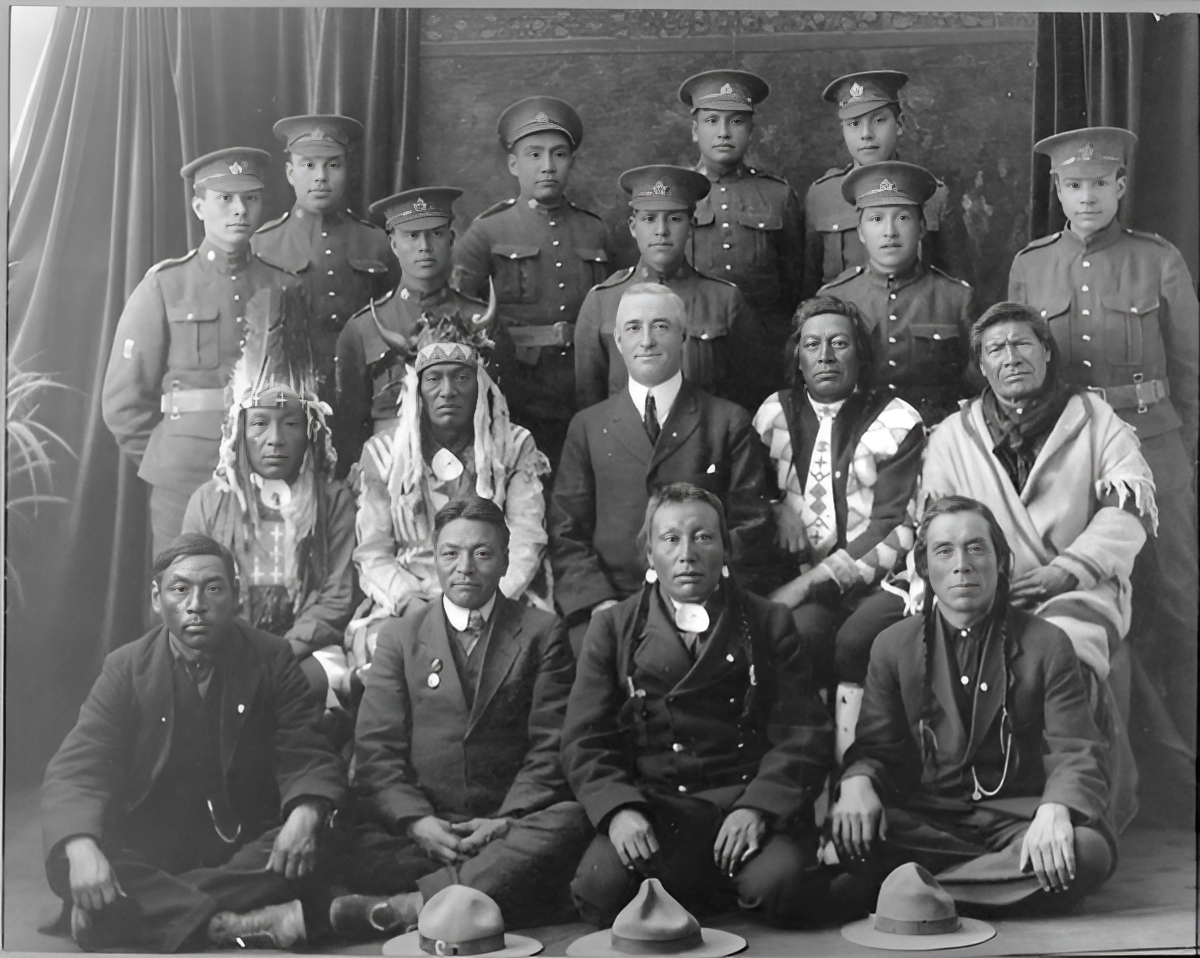
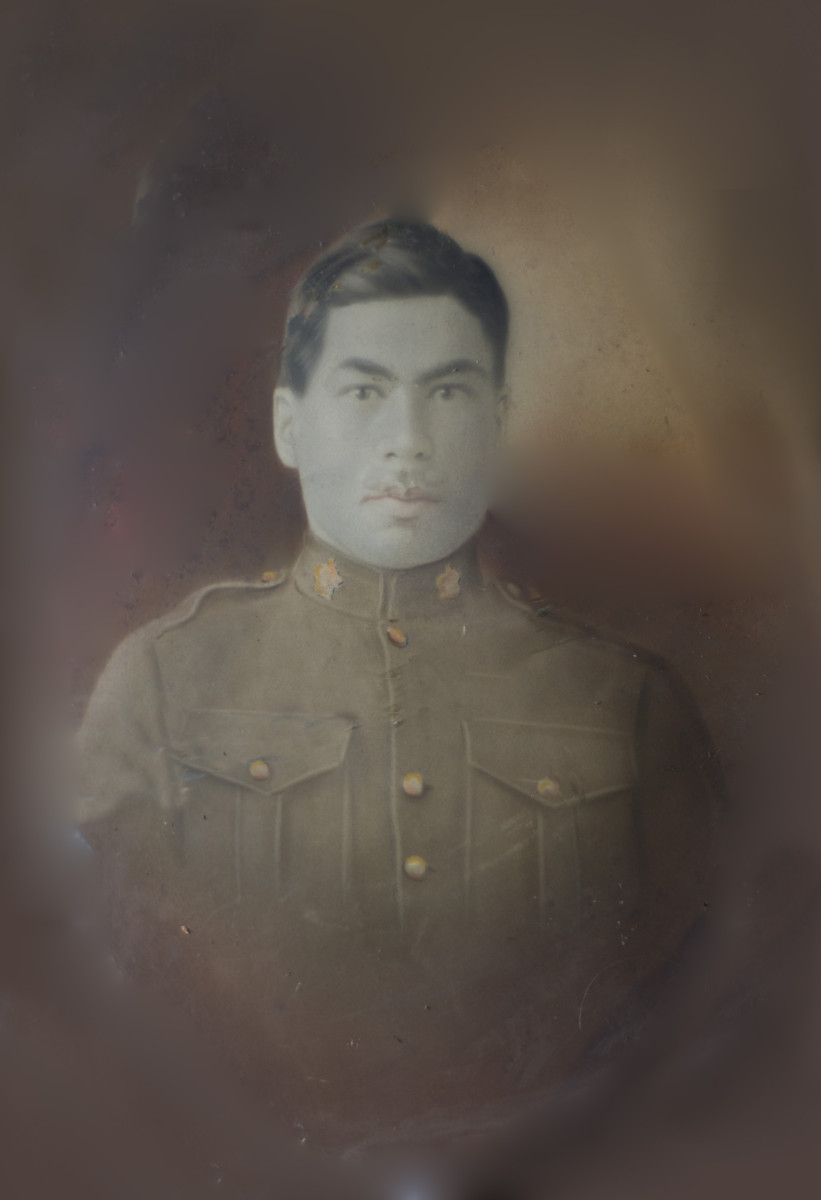
To some, Flanders Fields may evoke a distant memory or the lines of an old poem. But for Stewart Point and Diane Herman, it’s part of a legacy, a memory kept alive across generations. In their family, stories of courage and sacrifice are not only preserved but lived, spoken in the quiet moments and held close in their hearts. This is the story of two people whose roots run deep into a history that many may see as fading, yet for them, remains as vivid as ever.
A Family of Veterans: Courage and Commitment
Scrolling through his phone’s photo gallery, Stewart reflects on the faces and memories that shaped his sense of duty and respect for others. A member of the Information Technology (IT) team at Vancouver International Airport (YVR) since 2019, Stewart speaks warmly of his grandfather, Joseph Pettis, who was drafted in November 1917, just as World War I was nearing its end. Joseph’s service left a lasting impact on Stewart, instilling in him a pride in his heritage and the courage passed down through generations.
But Joseph wasn’t the only one in Stewart’s family who took up the call to protect and serve. His family history reads like a lineage of courage, with uncles, godparents, and grandparents all united by their commitment to safeguarding the future. Their service spans World War I and II, Vietnam, and Korea, where his uncle Archie Williams, who passed away in 1977, served and carefully preserved an impressive collection of artifacts from the Korean War. Though their exact whereabouts today are uncertain, these relics continue to carry the weight of stories of bravery and sacrifice, keeping the memory of those who served alive.
Similarly, Diane Herman, from the Grant family of Musqueam and a member of the YVR team for the past five years, comes from a long line of warriors and holds a similar respect for her late uncle Paul Scotchman, who served as a paratrooper in the Vietnam War. "I always remember him being so proud to have served," Diane shares, recalling his pride in wearing his uniform or veteran’s hat. Due to restrictions, her uncle had to enlist through the United States—a reminder of the unique challenges Indigenous veterans faced simply to serve.
The Hidden Costs: A Legacy of Pride and Pain
Yet, Stewart’s family story isn’t solely about pride. Behind the medals and mementos lie stories of frustration and disappointment. Stewart recalls the disillusionment his family members felt when they returned home from war, often treated as outsiders, overlooked for the benefits other veterans received. Indigenous veterans faced unique barriers— their sacrifices were frequently overshadowed, their contributions diminished in the national narrative.
Remembrance Day, while widely and rightfully celebrated, often eclipses the contributions of Indigenous veterans. Stewart stresses the importance of Indigenous Veterans Day as a time to remember both the fallen and those who survived, returning home to rebuild their communities. Established in 1994, Indigenous Veterans Day acknowledges the sacrifices of as many as 12,000 First Nations, Métis, and Inuit soldiers who served in the major conflicts of the 20th century, with over 500 of them never making it back.
Diane shares this concern and hopes more Canadians will come to understand why Indigenous Veterans Day holds a separate significance. "Every veteran deserves to be honoured and remembered," she says, explaining how she tries to educate her colleagues, friends, and family on the importance of this day.
Contributions Beyond the Battlefield: The Women of War
Stewart’s grandmother, Teresa, like many women during World War II, answered a different call to serve. She traveled to Seattle to work as a welder, constructing more than 75 destroyers that would sail the Pacific. Yet, upon her return, she found herself twice excluded—not only was she overlooked for future work opportunities, but her name was also missing from any formal recognition lists of female welders.
Stewart recalls his mother showing him an old newspaper, her finger tracing over a list of names. "My grandmother’s name was missing,” he says, “even though she had contributed just as much as anyone else.” Then he found her war service record. He pauses, reliving the moment he saw it. The document, one of the few records of her wartime work, bore the word “Caucasian” at the top.
Stewart lets that word hang. “It may seem small,” he reflects, “but it’s a reminder of how they tried to rewrite the story—to erase Indigenous contributions in the fight for freedom and democracy.”
The Urgent Call to Serve: Building a Shared Future
When asked why his family members felt compelled to serve, Stewart answers without hesitation. “They served hoping to help build a future for Canada,” he says. “It’s quite courageous, what they’ve done, fighting with no guarantees of coming back. But they did it because they had a deep belief that we are one country, and we should always be looking out for one another.”
This sense of unity and shared purpose remains central to Stewart’s identity and is something he hopes future generations will continue to value. In his eyes, the fight was not only for Canada’s freedom but for the well-being of Indigenous communities as well, motivations that remain interconnected to this day.
The Power of Language: Cree as a Code of Victory
Little known to many, Indigenous languages played a critical role during WWII. Cree, among other Indigenous languages, was used as a code by Indigenous soldiers in the Canadian Armed Forces to pass secure messages. Stewart reflects on this, explaining how code talkers would send messages in Cree to each other, their words indecipherable to enemy forces.
“Morse code is well-known, but few realize how Cree and other Indigenous languages helped secure victory,” Stewart explains. “Without these languages, it would have been impossible to relay crucial messages on the battlefield.” As we celebrate the UN’s International Decade of Indigenous Languages, which began in 2022, Stewart emphasizes the importance of acknowledging this unique role Indigenous languages played in Canada’s military success.
Honouring Indigenous History and Legacy
Stewart says he commends the government for its commitment to reconciliation and appreciation for Indigenous heritage but admits he’d like to see broader recognition of Indigenous history, language, and contributions. Through his own family’s legacy, he has learned the value of freedom and the need to protect fundamental rights, lessons he hopes will resonate with others.
“Freedom and our fundamental rights are things we’ll always have to fight for because society is constantly evolving. We must remain vigilant because nothing is guaranteed forever,” he says. Stewart hopes that the next generations will carry on his family’s legacy, honouring those who served not just for Canada but for their Indigenous communities.
To Diane, this sense of pride in her family’s history is a reminder that her ancestors’ resilience is something she hopes to pass down. “We can do what we want and find strength in our identity and history,” she says, emphasizing how their legacy of courage guides her and her daughters.
Celebrating Indigenous Veterans Day and Remembrance Day: A Dual Tribute
Each year, Diane and Stewart attend both Indigenous Veterans Day and Remembrance Day ceremonies, paying tribute not only to his family members but to all Indigenous veterans who fought bravely alongside their non-Indigenous counterparts. For years, YVR has commemorated both Indigenous Veterans Day and Remembrance Day, recognizing the unique importance of each occasion and the broader impact these events have on the community. For both colleagues, these ceremonies serve as a meaningful reminder of the shared values and hard-won freedoms that unite us all.