

Making travel fur-iendly: YVR teams up with PADS to improve accessibility
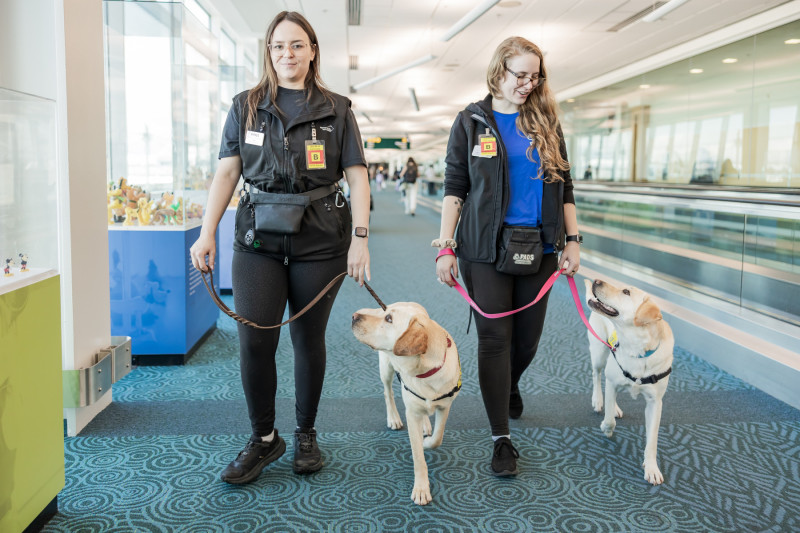
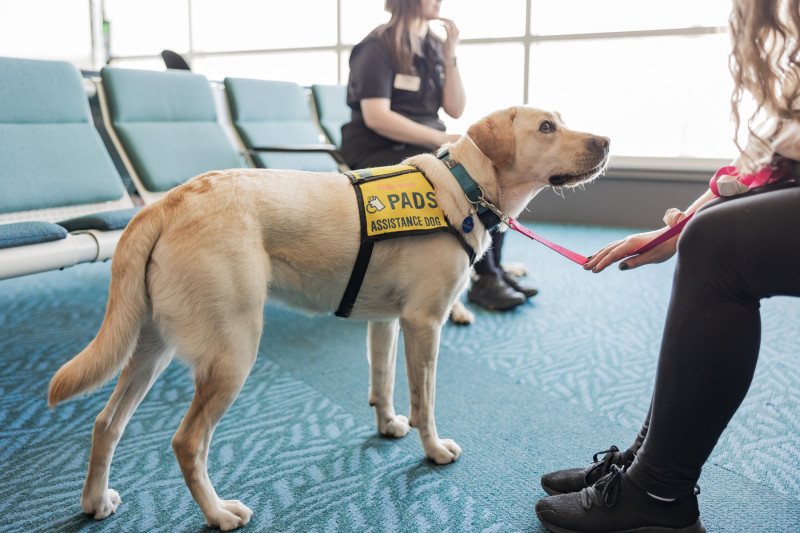
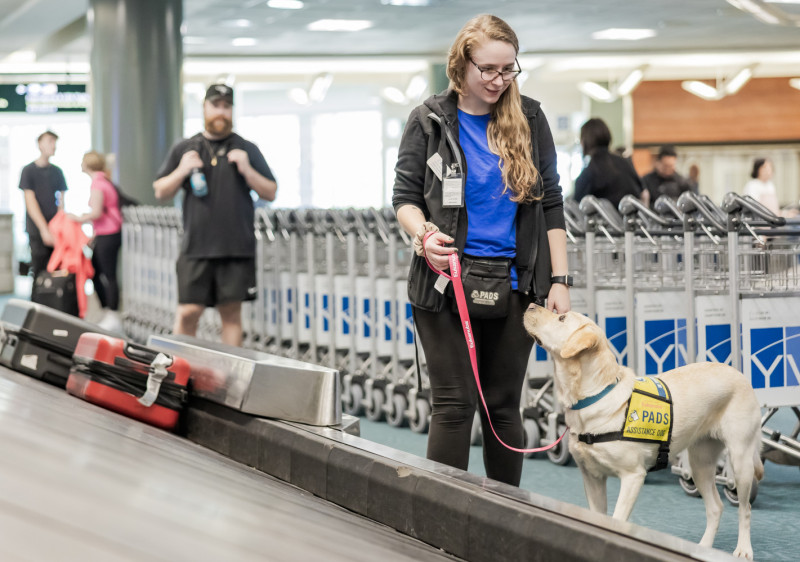
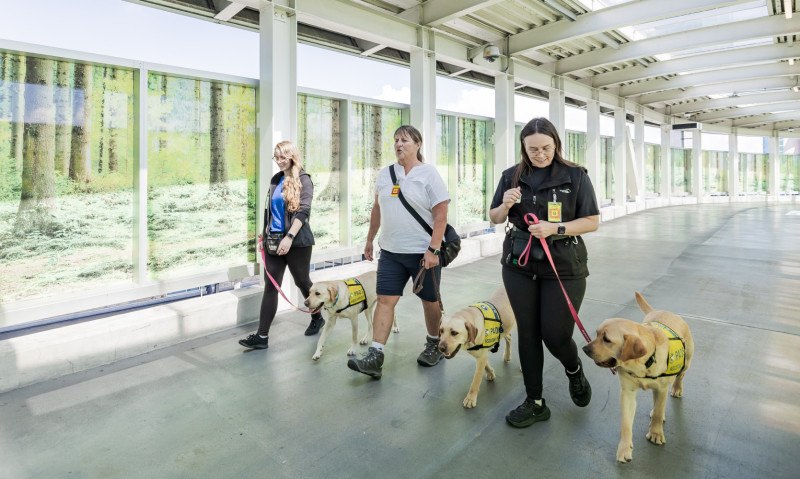
Tails were wagging and smiles were everywhere at Vancouver International Airport (YVR) as dogs-in-training from the Pacific Assistance Dogs Society (PADS) explored the terminal for a very special field trip designed to help foster increased accessibility in air travel.
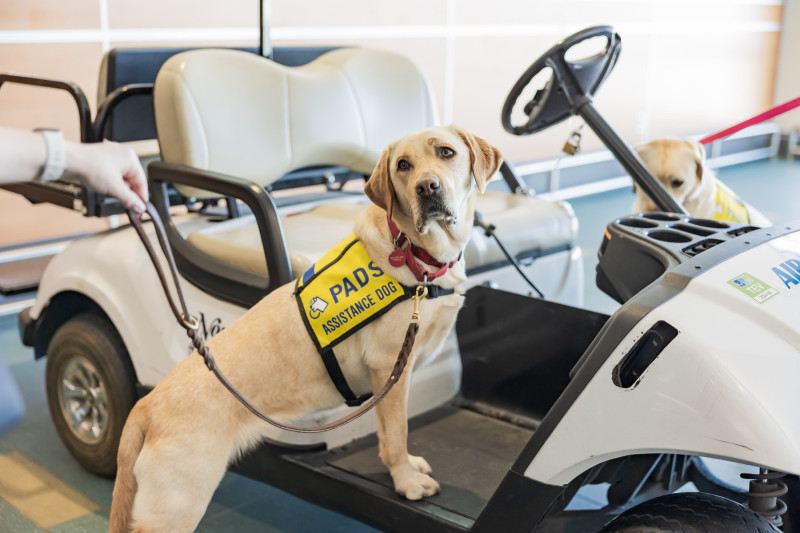
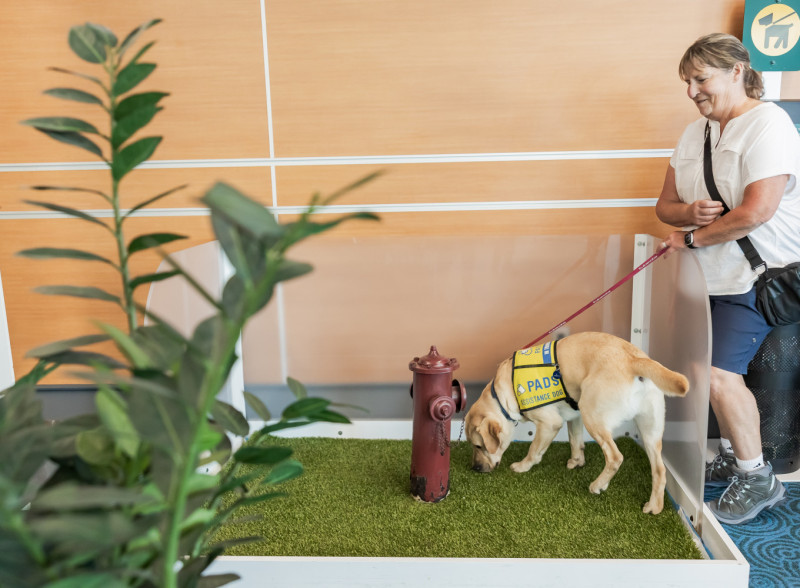
Together with their trainers, the dogs took part in YVR's PADS Tour Program—an initiative designed to give service dogs early exposure to the busy sights, sounds, and smells of an airport. From practicing commands near busy check-in counters, to calmly boarding an Air Canada aircraft, to visiting pet relief areas and quiet spaces, the tour covers all aspects of the airport experience and provides dogs with valuable practice for their future role as assistance animals.
The program is part of YVR’s commitment to accessibility, ensuring every passenger feels welcome, supported, and able to experience air travel with confidence.
More than just a tour
For individuals living with disabilities, air travel can be a stressful experience. Many PADS dogs are trained to assist people with mobility or hearing impairments, post-traumatic stress disorder (PTSD), or to work alongside professionals in healthcare, education, justice, and wellness sectors.
Through the YVR PADS Tour, dogs are able to practice both basic skills and program-specific commands depending on whether they are training toward mobility, hearing, or PTSD support. With support this year from Air Canada, participants also practiced a major part of the traveller journey: boarding and sitting in an aircraft. These early experiences make a huge difference as dogs who have grown familiar with aircraft and airport environments during training are calmer and more confident when it comes time to fly with their future clients. This reassurance gives clients the confidence to travel knowing their dog can handle the journey by their side.
“YVR is committed to creating a welcoming, inclusive, and accessible travel experience for people with disabilities by removing barriers and making the airport journey more predictable and comfortable,” said Josh Vander Vies, Director of Diversity, Inclusion, and Belonging at YVR. “The PADS program tour is one of the many actions we’re taking to make YVR more accessible.”
“Visits like this give us a chance to practice both basic skills and the specialized commands our dogs need as Mobility, Hearing, or PTSD service dogs,” explained Valerie (Val) Bouey, Client Services at PADS. “Even one experience at YVR builds their confidence, so by the time they’re placed with a client, they’re already comfortable in the airport environment and ready to support wherever life takes them.”
“Air Canada is committed to being a leader in accessible travel. We are proud to partner with YVR for the PADS airport event to help familiarize service animals in training with elements of the air travel experience at check-in and onboard our aircraft,” said Kerianne Wilson, Director, Customer Accessibility at Air Canada.
A partnership with deep roots
YVR’s work with PADS goes back to 2018, when the airport first sponsored puppies and dogs-in-training and welcomed PADS teams to accessibility-related events. In 2019, the collaboration grew to include early airport exposure tours, giving service dogs a chance to practice in real travel settings. Even during the pandemic, YVR supported PADS by providing space for socially distanced puppy classes and contributing to the development of training resources.
In 2025, the partnership reached new levels when PADS joined YVR’s accessibility walkthrough of the terminal. The session, part of our Three-Year Accessibility Plan Roadmap, gave PADS an opportunity to share feedback while seeing firsthand the accessibility features being introduced at YVR. That exchange sparked new ideas and led to the creation of the PADS Tour Program, an initiative for PADS clients to participate alongside PADS staff and their fully trained service dogs.
This ongoing collaboration reflects a shared commitment to improving accessibility and making travel more inclusive.